




Why 18 Months, and Why It Matters for a London Wedding
A destination wedding planning timeline needs more room than a local one, and that’s simply down to distance. Venue availability at the level our couples want closes out a year or more in advance, the best suppliers in London book even further ahead, and the legal process – giving Notice of Marriage in person, at least 28 days before the ceremony – has to be timed around your travel, not the other way round. None of that means the process is stressful. It means it needs pacing. Eighteen months gives every part of a London wedding room to happen in the right order, without anything feeling rushed at the end.
18-12 Months Out: The Foundations
This is where every destination wedding starts, and it’s the stage most couples underestimate. Decisions made now shape everything that follows, so we build slowly and deliberately rather than rushing to lock anything in.
- Decide on London as your destination – confirm it fits your guest list, your budget, and the atmosphere you want for the day
- Set a realistic budget range – this shapes every venue and supplier conversation from here on
- Appoint your planner – working with someone based in London from the start means local knowledge from day one, not just at the point of booking
- Begin venue shortlisting – we usually put forward four to six venues based on guest numbers, style and budget
- Plan your first London visit trip – ideally 12 to 15 months out, timed to view shortlisted venues in person
12-9 Months Out: Venue Confirmed and Team Assembled
Once your venue is booked, the shape of the day starts to become real.
- Venue booked and deposit paid
- Notice of Marriage appointment completed during your London visit – we always try to book this for the same trip as your venue viewing
- Photographer and key suppliers confirmed – for a London destination wedding, ‘key suppliers’ usually means photographer, videographer, florist and band or DJ, since these are the roles that book out furthest in advance
- Save the dates sent – especially important for guests who need to arrange flights and time off work
9-6 Months Out: Design and Detail
This is the stage where the aesthetic of the day really takes shape, and where the decisions made now carry through to every other detail.
- Florist brief confirmed – colour palette, style and key moments (ceremony, tablescape, bouquet) agreed
- Catering decisions made – menu tasting completed, dietary requirements gathered
- Invitations sent – typically 6 to 8 months out for a destination wedding, earlier than a local one, to give guests time to book flights
- Guest hotel blocks arranged – we negotiate rates and hold rooms across two or three hotels near the venue
- Wedding dress and suit appointments underway
6-3 Months Out: Logistics and Final Decisions
The final stretch is where planning shifts from decisions to execution.
- Final guest numbers confirmed
- Seating plan drafted
- Ceremony order confirmed with the registrar
- Supplier timeline circulated – a detailed, minute-by-minute schedule shared with every supplier so the day runs without anyone needing to ask what’s next
- Final venue walk-through scheduled
The walk-through happens on-site, usually four to six weeks before the wedding, and it’s where the whole day gets tested in real time – room layouts, timings, access points, and any last logistical questions. For couples planning from overseas, we usually schedule this to line up with your final trip to London before the wedding itself, so you can see the space exactly as it will be on the day.
The Best Time of Year for a Destination Wedding in London
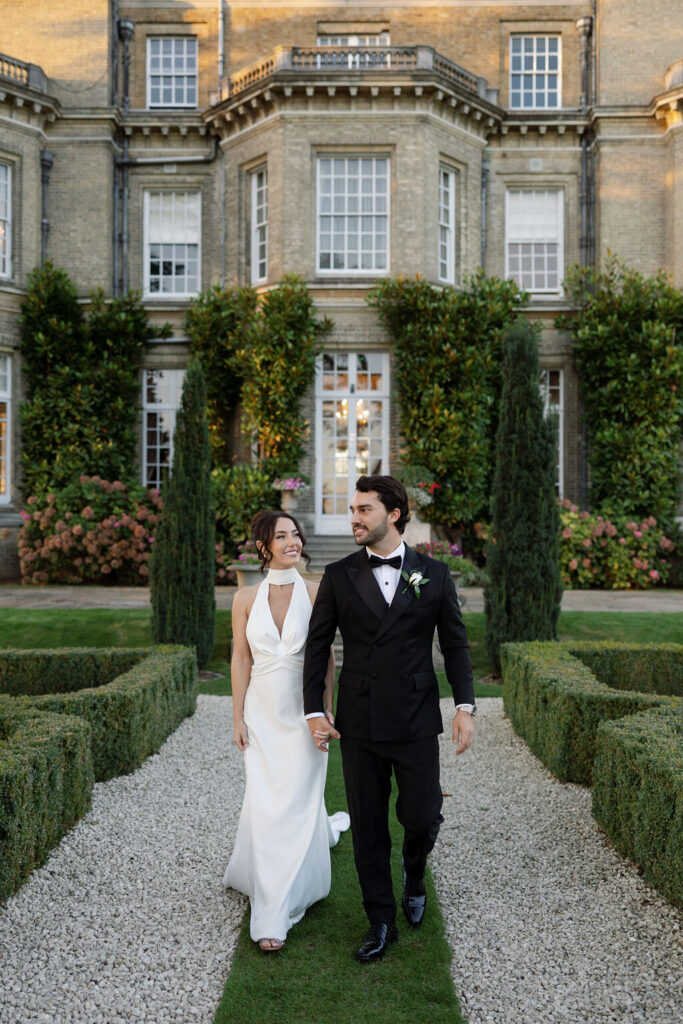
Spring (April-May) gives London some of its best natural light, with blossom across the parks and gardens, but the weather is genuinely unpredictable – I always build a strong indoor backup into any spring plan.
Summer (June-August) is peak season. It’s when most couples want to marry, which means it’s also when venues and suppliers are busiest and most expensive, and when availability disappears furthest in advance.
Autumn (September-October) is the season I recommend most often. The light is extraordinary, venues have more availability, and couples typically get better value without any compromise on atmosphere.
Winter (November-March) has a completely different character – dramatic, candlelit, more intimate. Outdoor moments are limited, but for couples who want their wedding to feel like a genuine event rather than a garden party, winter can be the strongest choice of all.
If a couple asks me directly which season to choose, I usually point them toward autumn first, purely on the balance of light, cost and availability – but the right season really depends on the wedding you’re picturing.
The Week Before and the Day Itself
In the final week, our focus shifts entirely onto the ground in London. We confirm final numbers with every supplier, run through the timeline one more time with the venue, and manage any last-minute changes so they never reach you. Your role in that final week is simple: travel, arrive, and be present. Ours is everything else – deliveries, setup, supplier coordination, and being on-site throughout the day itself so nothing depends on you noticing it. By the time you arrive in London, everything is already in place.
Frequently Asked Questions
When should I start planning a destination wedding in London?
Ideally 18 months before your wedding date. That gives enough time to secure a venue, complete the Notice of Marriage process, and book suppliers who typically fill their calendars a year or more in advance.
What is the best month for a destination wedding in London?
September and October tend to offer the best balance of light, venue availability and cost, though the right month really depends on the atmosphere you want for your day.
How many trips to London do I need to make before my wedding?
Most couples make two to three trips – one to view venues and give Notice of Marriage, one for design and supplier meetings around the nine-month mark, and a final visit shortly before the wedding for the walk-through.